

gemini-3.1-flash-image-preview (nano-banana-2)_a_Bangladesh_Budget_20

Bangladesh Budget 2025-26: A Boost for Farmers with Increased Tax Exemption on Agricultural Income

In a significant move to bolster the agricultural sector and support the rural economy, the proposed national budget for the 2025-26 fiscal year in Bangladesh includes a substantial increase in the tax-exempt threshold for agricultural income. This key fiscal measure aims to encourage farming and alleviate the tax burden on individual farmers, a critical component of the nation’s workforce and food security.

The centerpiece of the proposal is the raising of the tax-free limit on agricultural income to BDT 500,000, a considerable jump from the previous BDT 200,000. This means that individuals whose sole income is from agriculture will not be required to pay any income tax if their earnings remain within this new limit. This initiative has been lauded as a significant step towards the development of the agricultural sector.

Defining Agricultural Income

Under the purview of the Income Tax Act 2023, which replaced the earlier Income Tax Ordinance of 1984, agricultural income is broadly defined as income derived from land used for agricultural purposes.123 This includes revenue generated from the sale of crops, produce from farm buildings, and even the sale of agricultural machinery.3

The law further categorizes agricultural income, with some sources being fully taxable while others are partially so. For instance, income from the cultivation of tea or rubber is treated as a mix of agricultural and business income, with 60% classified as agricultural and the remaining 40% as business income.3

Allowable Deductions for Farmers

To ensure a fair calculation of taxable income for those earning above the exemption limit, the law permits several deductions. Farmers can subtract various costs incurred during their agricultural activities. These allowable deductions include:

  • Land development tax and other local taxes or cesses paid on the agricultural land.
  • Premiums paid for insurance against the loss of or damage to crops or cattle.
  • The cost of production, which encompasses expenses for cultivation, rendering produce marketable, and transporting it to the market.
  • Maintenance costs for agricultural implements and machinery.

It is important for farmers to maintain proper books of accounts. In cases where such records are not kept, the cost of production is determined as 60% of the market value of the agricultural produce.

Broader Support for the Agricultural Sector

Beyond the direct tax exemption, the proposed 2025-26 budget also contains other measures aimed at supporting the broader agricultural ecosystem. These include a reduction in the advance income tax on industrial raw materials, which is expected to lower costs for agro-processors.4 Additionally, the budget proposes to decrease the withholding tax on the supply of essential agricultural goods like paddy, wheat, and potatoes.4

A Move Towards Greater Scrutiny

While the increased exemption is a welcome relief for many, it comes at a time of increased scrutiny regarding tax policies in the agricultural sector. In the past, there have been concerns about the misuse of tax exemptions, particularly in sectors like fisheries and poultry, which were reportedly used as a means to obscure undeclared income.5 The government has also faced pressure from international bodies like the International Monetary Fund (IMF) to phase out certain tax exemptions. This new budget, therefore, strikes a balance between providing necessary support to genuine farmers and signaling a move towards a more transparent and equitable tax system for all. The increased tax-free limit for agricultural income is a clear indicator of the government’s commitment to fostering growth in this vital sector, which remains the backbone of the Bangladeshi economy

20260409_1345_Image Generation_remix_01knrk6yyjfj9vfa5f32x4gbf7

RJSC Society Registration Guide: Fast, Simple, and Easy to Understand

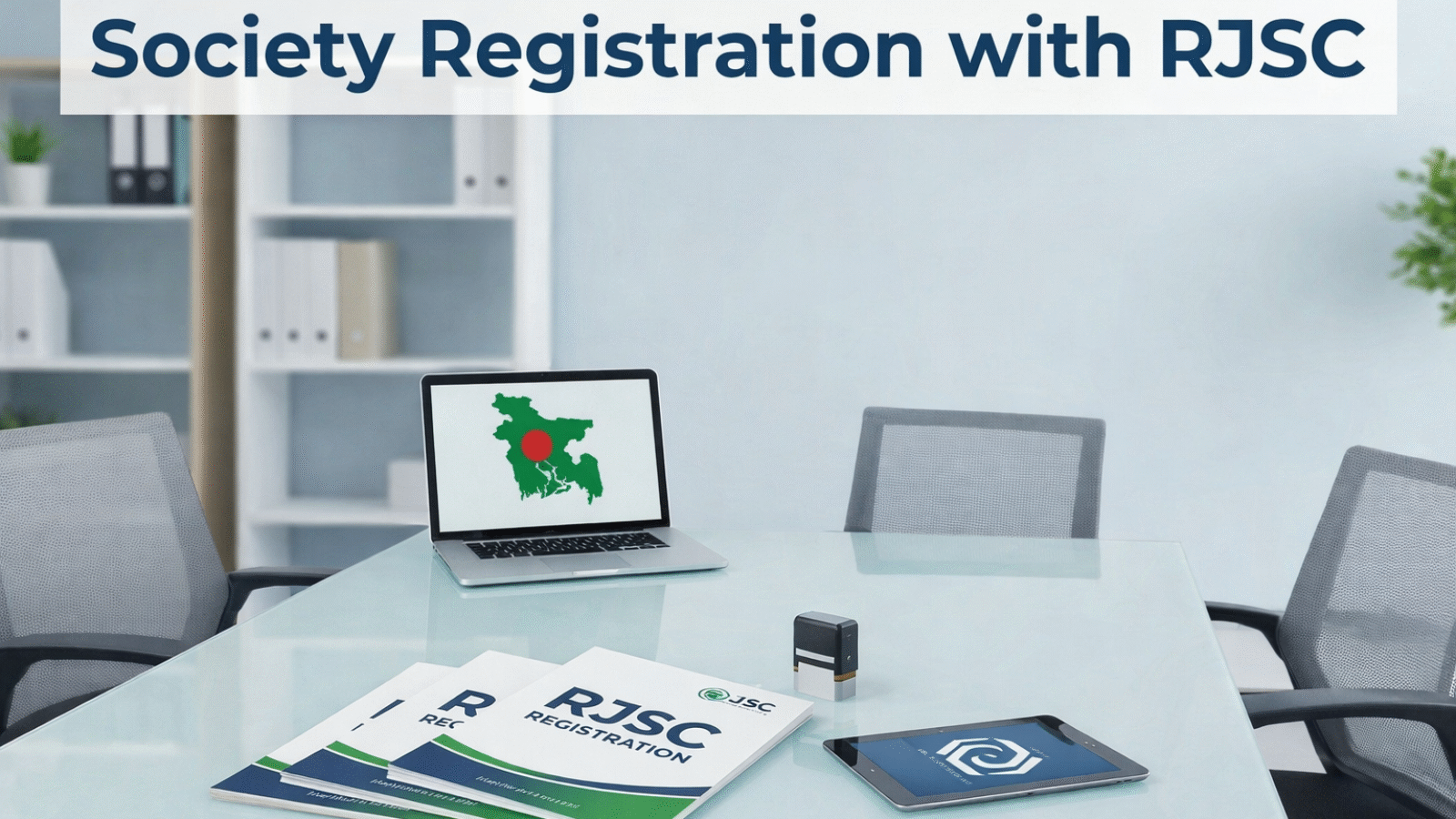
Society Registration with RJSC in Bangladesh

If you want to start a social, educational, cultural, or charitable organization in Bangladesh, registering your society is an important first step. A registered society becomes officially recognized, which helps build trust, manage funds properly, and operate legally.

Many people hear the term “RJSC society registration” but are not sure how the process works. The good news is that it is not as complicated as it sounds. With the right documents and a clear purpose, the registration process can be smooth and manageable.

In this article, we will explain everything in simple language so you can understand who can register a society, what documents are needed, and how the RJSC registration process works.

What Is Society Registration?

Society registration is the process of legally registering a group of people who want to work together for a non-profit purpose. Once registered, the society gets formal recognition from the government.

In Bangladesh, society registration is commonly associated with the RJSC (Registrar of Joint Stock Companies and Firms) under the relevant laws and procedures.

A registered society can:

  • Open a bank account in its name
  • Receive donations and grants
  • Sign legal agreements
  • Build credibility with members and partners
  • Operate more professionally

Who Can Register a Society?

A society can usually be registered by at least 7 persons who come together for a common non-profit purpose.

These people may want to work in areas such as:

  • Social welfare
  • Education
  • Charity
  • Cultural activities
  • Community development
  • Literary work
  • Scientific or research activities
  • Humanitarian services

In simple words:

If a group of people wants to create an organization for the benefit of others, and not for personal profit, they may be eligible to register a society.

Important:

  • The members must be real individuals with valid identification
  • The society must have a lawful and clear purpose
  • The organization should not be formed for commercial profit
  • A proper constitution or rules must be prepared

Why Should You Register a Society?

Registering your society gives it a stronger legal and professional identity. Here are some of the biggest benefits:

1. Legal recognition

A registered society is officially recognized by the government.

2. Trust and credibility

People, donors, and partners are more likely to trust a registered organization.

3. Banking and finance

A registered society can usually open and operate a bank account in its own name.

4. Better management

Registration helps you keep proper records, rules, and governance structure.

5. Growth and funding

Many funding agencies and donors prefer working with registered societies.


Documents Required for Society Registration

The exact document list may vary depending on the organization and current RJSC requirements, but generally you will need the following:

  • Proposed name of the society
  • Application form
  • Constitution or by-laws of the society
  • List of members
  • NID or passport copies of the founding members
  • Passport-size photos of the members
  • Office address with supporting documents
  • Resolution of the founding members
  • Signature of the office bearers
  • Other supporting papers as required by RJSC

Common Mistakes to Avoid

Many registration applications are delayed because of simple mistakes. Avoid these common problems:

  • Choosing a name that is already in use
  • Submitting incomplete documents
  • Using unclear or incorrect purpose statements
  • Forgetting signatures
  • Preparing a weak constitution
  • Giving wrong member information
  • Not following current RJSC instructions

Careful preparation can save time and avoid rejection.


How Long Does It Take?

The processing time depends on several factors, including:

  • Accuracy of the documents
  • Workload of the office
  • Whether corrections are needed
  • Current RJSC procedure

If all documents are correct, the process can move faster. If there are errors or missing papers, it may take longer.


Helpful Tips for a Smooth Registration

Here are some practical tips that can help:

  • Keep your purpose clear and simple
  • Use a unique and meaningful name
  • Prepare a strong constitution
  • Check all signatures carefully
  • Keep both hard copies and soft copies of documents
  • Follow the latest official guidelines
  • Consult a professional if needed

A little preparation can make the entire process much easier.

e-return

āĻŸā§āϝāĻžāĻ•ā§āϏ āĻĢāĻžāχāϞāĻŋāĻ‚ āĻšāĻŦ⧇ āĻāĻ•āĻĻāĻŽ āĻāϟāĻĒāϟ — āχ-āϰāĻŋāϟāĻžāĻ°ā§āύ⧇ ā§ŦāϟāĻŋ āϤāĻžā§ŽāĻ•ā§āώāĻŖāĻŋāĻ• āĻŦ⧇āύāĻŋāĻĢāĻŋāϟ

āĻāĻ–āύ āφāϰ āĻ•āϰ āĻ…āĻĢāĻŋāϏ⧇ āĻ—āĻŋāϝāĻŧ⧇ āϞāĻžāχāύ⧇ āĻĻāĻžāρāĻĄāĻŧāĻŋāϝāĻŧ⧇ āĻŸā§āϝāĻžāĻ•ā§āϏ āϰāĻŋāϟāĻžāĻ°ā§āύ āϜāĻŽāĻž āĻĻ⧇āĻ“āϝāĻŧāĻžāϰ āϝ⧁āĻ— āύ⧇āχāĨ¤ ā§§ā§Ļ āφāĻ—āĻ¸ā§āϟ ⧍ā§Ļ⧍ā§Ģ āĻĨ⧇āϕ⧇ ⧍ā§Ļ⧍ā§Ģ-⧍ā§Ŧ āĻ…āĻ°ā§āĻĨāĻŦāĻ›āϰ⧇āϰ āφāϝāĻŧāĻ•āϰ āϰāĻŋāϟāĻžāĻ°ā§āύ āϜāĻŽāĻž āĻĻ⧇āĻ“āϝāĻŧāĻžāϰ āϜāĻ¨ā§āϝ āĻ…āύāϞāĻžāχāύ⧇ āχ-āϰāĻŋāϟāĻžāĻ°ā§āύ āĻŦāĻžāĻ§ā§āϝāϤāĻžāĻŽā§‚āϞāĻ• āĻ•āϰāĻž āĻšāϝāĻŧ⧇āϛ⧇ (āĻ•āĻžāϞ⧇āϰ āĻ•āĻŖā§āĻ )āĨ¤ āĻŽāĻžāύ⧇, āĻāĻ–āύ āĻĨ⧇āϕ⧇ āϰāĻŋāϟāĻžāĻ°ā§āύ āϜāĻŽāĻž āĻĻ⧇āĻ“āϝāĻŧāĻžāϰ āĻāĻ•āϟāĻžāχ āϰāĻžāĻ¸ā§āϤāĻžâ€”āĻ…āύāϞāĻžāχāύāĨ¤

āϕ⧇āύ āĻāϟāĻž āϗ⧇āĻŽ-āĻšā§‡āĻžā§āϜāĻžāϰ:
ā§§. āĻŦāĻžāĻĄāĻŧāĻŋ āĻŦāϏ⧇āχ āϰāĻŋāϟāĻžāĻ°ā§āύ āϜāĻŽāĻž āĻĻāĻŋāϤ⧇ āĻĒāĻžāϰāĻŦ⧇āĻ¨â€”āĻ…āĻĢāĻŋāϏ⧇ āϝāĻžāĻ“āϝāĻŧāĻžāϰ āĻĻāϰāĻ•āĻžāϰ āύ⧇āχāĨ¤
⧍. āĻ•āϰ āĻ…āĻĢāĻŋāϏ⧇āϰ āϞāĻŽā§āĻŦāĻž āϞāĻžāχāύ⧇āϰ āĻāĻžāĻŽā§‡āϞāĻž āύ⧇āχāĨ¤
ā§Š. āϰāĻŋāϟāĻžāĻ°ā§āύ āϜāĻŽāĻž āĻĻ⧇āĻ“āϝāĻŧāĻžāϰ āϏāĻžāĻĨ⧇ āϏāĻžāĻĨ⧇āχ āϟāĻŋāφāχāĻāύ āϏāĻžāĻ°ā§āϟāĻŋāĻĢāĻŋāϕ⧇āϟ āĻĒā§āϰāĻŋāĻ¨ā§āϟ/āĻĄāĻžāωāύāϞ⧋āĻĄ āĻ•āϰāĻž āϝāĻžāĻŦ⧇āĨ¤
ā§Ē. āϰāĻŋāϟāĻžāĻ°ā§āύ āĻ“ āĻŸā§āϝāĻžāĻ•ā§āϏ āϏāĻžāĻ°ā§āϟāĻŋāĻĢāĻŋāϕ⧇āϟ āϏāĻžāĻĨ⧇ āϏāĻžāĻĨ⧇āχ āĻĄāĻžāωāύāϞ⧋āĻĄ āĻ•āϰāĻžāϰ āϏ⧁āϝ⧋āĻ—āĨ¤
ā§Ģ. āϜāĻŽāĻž āĻĻ⧇āĻ“āϝāĻŧāĻžāϰ āĻĒā§āϰāĻŽāĻžāĻŖ āĻšāĻŋāϏ⧇āĻŦ⧇ āĻ…ā§āϝāĻžāĻ•āύāϞ⧇āϜāĻŽā§‡āĻ¨ā§āϟ āĻ¸ā§āϞāĻŋāĻĒ āĻĄāĻžāωāύāϞ⧋āĻĄ āĻ•āϰāϤ⧇ āĻĒāĻžāϰāĻŦ⧇āύāĨ¤
ā§Ŧ. āĻĒ⧇āĻŽā§‡āĻ¨ā§āϟ āϚāĻžāϞāĻžāύ āĻ“ āφāϗ⧇āϰ āϰāĻŋāϟāĻžāĻ°ā§āύ āϰ⧇āĻ•āĻ°ā§āĻĄ āϏāĻšāĻœā§‡ āĻšāĻžāϤ⧇ āĻĒāĻžāĻŦ⧇āύāĨ¤

āϤāĻŦ⧇ āĻāϰāĻ“ āφāϛ⧇ āĻ•āĻŋāϛ⧁ āϧ⧋āρāϝāĻŧāĻžāĻļāĻž:

  • āϏāĻŋāĻ¸ā§āĻŸā§‡āĻŽ āϝāĻĻāĻŋ āĻ āĻŋāĻ•āĻŽāϤ⧋ āύāĻž āϚāϞ⧇, āĻ•ā§āĻ°ā§āϝāĻžāĻļ āĻŦāĻž āĻ—ā§āϞāĻŋāϚ āĻšāϞ⧇ āĻŦāĻŋāĻĒāĻĻāĨ¤
  • āϏāĻŦāĻžāχ āĻĒā§āϰāϝ⧁āĻ•ā§āϤāĻŋ-āĻĻāĻ•ā§āώ āύāϝāĻŧ—āĻŦāϝāĻŧāĻ¸ā§āĻ• āĻŦāĻž āύāϤ⧁āύ āĻŦā§āϝāĻŦāĻšāĻžāϰāĻ•āĻžāϰ⧀āĻĻ⧇āϰ āϜāĻ¨ā§āϝ āĻāĻžāĻŽā§‡āϞāĻž āĻšāϤ⧇ āĻĒāĻžāϰ⧇āĨ¤
  • āĻĄā§‡āϟāĻž āϏ⧁āϰāĻ•ā§āώāĻž āĻ“ āĻĒā§āϰāĻžāχāϭ⧇āϏāĻŋ āĻŦāĻĄāĻŧ āĻĒā§āϰāĻļā§āĻ¨â€”āĻāϟāĻž āĻ āĻŋāĻ•āĻ āĻžāĻ• āύāĻž āĻ•āϰāϞ⧇ āĻŦāĻŋāĻĒāĻ°ā§āϝāϝāĻŧ āĻšāĻŦ⧇āĨ¤

āĻĒā§āϰāĻĨāĻžāĻ—āϤ āĻĻ⧃āĻˇā§āϟāĻŋāĻ­āĻ™ā§āĻ—āĻŋ:
āφāϗ⧇ āĻ•āĻžāĻ—āĻœā§‡ āϏāχ āĻĻāĻŋāϝāĻŧ⧇, āϰ⧇āϜāĻŋāĻ¸ā§āĻŸā§āϰāĻŋāϤ⧇ āύāĻžāĻŽ āϞāĻŋāϖ⧇ āϰāĻŋāϟāĻžāĻ°ā§āύ āϜāĻŽāĻž āĻĻ⧇āĻ“āϝāĻŧāĻžāϰ āφāϞāĻžāĻĻāĻž āĻāĻ•āϟāĻž āĻ­āϰāϏāĻž āĻ›āĻŋāϞāĨ¤ āĻĢāĻžāχāϞ āĻšāĻžāϤ⧇ āĻĨāĻžāĻ•āϤ, āĻŽāύ⧇ āĻļāĻžāĻ¨ā§āϤāĻŋ āĻĨāĻžāĻ•āϤāĨ¤ āĻ•āĻŋāĻ¨ā§āϤ⧁ āĻāχ āĻĒāϰāĻŋāĻŦāĻ°ā§āϤāύ āφāϏāϞ⧇ āϏ⧇āχ āĻĒā§āϰāĻĨāĻžāϰāχ āφāĻĒāĻ—ā§āϰ⧇āĻĄâ€”āϝāĻĻāĻŋ āϏāĻ āĻŋāĻ•āĻ­āĻžāĻŦ⧇ āĻŦāĻžāĻ¸ā§āϤāĻŦāĻžāϝāĻŧāύ āĻšāϝāĻŧ, āϤāĻžāĻšāϞ⧇ āĻĻāĻ•ā§āώāϤāĻž āĻŦāĻžāĻĄāĻŧāĻŦ⧇, āϏāĻŽāϝāĻŧ āĻŦāĻžāρāϚāĻŦ⧇, āφāϰ āφāĻ¸ā§āĻĨāĻž āĻŦāϜāĻžāϝāĻŧ āĻĨāĻžāĻ•āĻŦ⧇āĨ¤

āϏ⧋āϜāĻž āĻ•āĻĨāĻž:

  • āύāϤ⧁āύ āϕ⧀? ⧍ā§Ļ⧍ā§Ģâ€“ā§¨ā§Ŧ āĻ…āĻ°ā§āĻĨāĻŦāĻ›āϰ⧇ āϰāĻŋāϟāĻžāĻ°ā§āύ āĻ…āύāϞāĻžāχāύ⧇āχ āϜāĻŽāĻž āĻĻāĻŋāϤ⧇ āĻšāĻŦā§‡â€”āĻāϟāĻžāχ āĻŦāĻžāĻ§ā§āϝāϤāĻžāĻŽā§‚āϞāĻ•āĨ¤
  • āϏ⧁āĻŦāĻŋāϧāĻž? āĻāĻ•āϏāĻžāĻĨ⧇ āĻ›āϝāĻŧāϟāĻž āϤāĻžā§ŽāĻ•ā§āώāĻŖāĻŋāĻ• āϏ⧁āĻŦāĻŋāϧāĻžâ€”āϟāĻŋāφāχāĻāύ āĻĨ⧇āϕ⧇ āĻĒ⧁āϰ⧋āύ⧋ āϰ⧇āĻ•āĻ°ā§āĻĄ āĻĒāĻ°ā§āϝāĻ¨ā§āϤ āϏāĻŦ āĻ•āĻŋāϛ⧁ āĻ…āύāϞāĻžāχāύ⧇āĨ¤
  • āϖ⧇āϝāĻŧāĻžāϞ āϰāĻžāĻ–āĻŦ⧇āύ: āχāĻ¨ā§āϟāĻžāϰāύ⧇āϟ, āĻŸā§‡āĻ•-āύāϞ⧇āϜ āφāϰ āĻļāĻ•ā§āϤāĻŋāĻļāĻžāϞ⧀ āϏāĻŋāĻ¸ā§āĻŸā§‡āĻŽ āϞāĻžāĻ—āĻŦ⧇āχāĨ¤
  • āĻļ⧇āώ āĻ•āĻĨāĻž: āĻĒāϰāĻŋāĻŦāĻ°ā§āϤāύ āĻŽā§‡āύ⧇ āύāĻŋāĻ¨â€”āĻāϟāĻžāχ āĻ­āĻŦāĻŋāĻˇā§āĻ¯ā§ŽāĨ¤ āϤāĻŦ⧇ āĻšā§‹āĻ– āĻŦāĻ¨ā§āϧ āĻ•āϰ⧇ āĻ­āϰāϏāĻž āĻ•āϰāĻŦ⧇āύ āύāĻž, āϏāĻŋāĻ¸ā§āĻŸā§‡āĻŽ āĻ āĻŋāĻ•āĻŽāϤ⧋ āĻ•āĻžāϜ āĻ•āϰāϛ⧇ āĻ•āĻŋāύāĻž āϏ⧇āϟāĻž āύāĻŋāĻļā§āϚāĻŋāϤ āĻšāύāĨ¤
dc7e4e53-77c4-4baa-a237-55ceb8194803

āĻŦāĻžāĻ‚āϞāĻžāĻĻ⧇āĻļ⧇ āφāϝāĻŧāĻ•āϰāϰāĻŋāϟāĻžāĻ°ā§āύ āĻāĻ–āύ āĻŦāĻžāĻ§ā§āϝāϤāĻžāĻŽā§‚āϞāĻ• āĻ­āĻžāĻŦ⧇ āĻ…āύāϞāĻžāχāύ⧇

⧍ā§Ļ⧍ā§Ģ-⧍ā§Ŧ āĻ•āϰāĻŦāĻ°ā§āώ āĻĨ⧇āϕ⧇ āύāĻŋāĻ°ā§āĻĻāĻŋāĻˇā§āϟ āĻ•āϝāĻŧ⧇āĻ•āϟāĻŋ āĻŦā§āϝāϤāĻŋāĻ•ā§āϰāĻŽ āĻ›āĻžāĻĄāĻŧāĻž āϏāĻŦ āĻŦā§āϝāĻ•ā§āϤāĻŋ āĻ•āϰāĻĻāĻžāϤāĻžāϰ āϜāĻ¨ā§āϝ āφāϝāĻŧāĻ•āϰ āϰāĻŋāϟāĻžāĻ°ā§āύ āĻ…āύāϞāĻžāχāύ⧇ āĻĻāĻžāĻ–āĻŋāϞ āĻŦāĻžāĻ§ā§āϝāϤāĻžāĻŽā§‚āϞāĻ• āĻ•āϰ⧇āϛ⧇ āϜāĻžāϤ⧀āϝāĻŧ āϰāĻžāϜāĻ¸ā§āĻŦ āĻŦā§‹āĻ°ā§āĻĄ (āĻāύāĻŦāĻŋāφāϰ)āĨ¤ āφāϝāĻŧāĻ•āϰ āφāχāύ, ⧍ā§Ļā§¨ā§Š-āĻāϰ āϧāĻžāϰāĻž ā§Šā§¨ā§Ž-āĻāϰ āωāĻĒāϧāĻžāϰāĻž (ā§Ē) āĻ…āύ⧁āϝāĻžāϝāĻŧā§€ ā§Ē āφāĻ—āĻ¸ā§āϟ āĻĨ⧇āϕ⧇ āĻāχ āύāĻŋāĻ°ā§āĻĻ⧇āĻļ āĻ•āĻžāĻ°ā§āϝāĻ•āϰ āĻšāϝāĻŧ⧇āϛ⧇āĨ¤

āĻāĻ–āύ āφāϰ āĻŦāĻŋāĻ•āĻ˛ā§āĻĒ āύ⧇āχ — āĻ…āύāϞāĻžāχāύ āĻŦāĻžāĻ§ā§āϝāϤāĻžāĻŽā§‚āϞāĻ•

āφāϗ⧇ āϚāĻžāχāϞ⧇ āϏāϰāĻžāϏāϰāĻŋ āĻšāĻžāϤ⧇ āϰāĻŋāϟāĻžāĻ°ā§āύ āϜāĻŽāĻž āĻĻ⧇āĻ“āϝāĻŧāĻž āϝ⧇āϤ, āĻ•āĻŋāĻ¨ā§āϤ⧁ āĻāĻ–āύ āĻāύāĻŦāĻŋāφāϰ āĻ¸ā§āĻĒāĻˇā§āϟ āĻ•āϰ⧇ āĻĻāĻŋāϝāĻŧ⧇āĻ›ā§‡â€”āĻĒā§āϰāĻžāϝāĻŧ āϏāĻŦ āĻ•āϰāĻĻāĻžāϤāĻžāϕ⧇āχ āĻ…āύāϞāĻžāχāύ⧇ āϰāĻŋāϟāĻžāĻ°ā§āύ āϜāĻŽāĻž āĻĻāĻŋāϤ⧇ āĻšāĻŦ⧇āĨ¤ āϤāĻžāχ āφāϝāĻŧ āφāϛ⧇? āϤāĻžāĻšāϞ⧇ āĻĄāĻŋāϜāĻŋāϟāĻžāϞ āĻĒāĻĨ⧇ āϝ⧇āϤ⧇āχ āĻšāĻŦ⧇āĨ¤

 āĻ•āĻžāϰāĻž āĻŦāĻžāĻĻ āĻĒāĻĄāĻŧāĻŦ⧇ (āϤāĻŦ⧁āĻ“ āϚāĻžāχāϞ⧇ āĻ…āύāϞāĻžāχāύ⧇ āĻ•āϰāϤ⧇ āĻĒāĻžāϰāĻŦ⧇āύ)

āĻ•āĻŋāϛ⧁ āĻŦā§āϝāϤāĻŋāĻ•ā§āϰāĻŽ āφāĻ›ā§‡â€”

  • āϏāĻŋāύāĻŋāϝāĻŧāϰ āϏāĻŋāϟāĻŋāĻœā§‡āύ
  • āϏāύāĻĻāĻĒā§āϰāĻžāĻĒā§āϤ āĻĒā§āϰāϤāĻŋāĻŦāĻ¨ā§āϧ⧀ āĻŦā§āϝāĻ•ā§āϤāĻŋ
  • āĻĒā§āϰāĻŦāĻžāϏ⧀ āĻŦāĻžāĻ‚āϞāĻžāĻĻ⧇āĻļāĻŋ
  • āĻŽā§ƒāϤ āĻ•āϰāĻĻāĻžāϤāĻžāϰ āφāχāύāĻ—āϤ āĻĒā§āϰāϤāĻŋāύāĻŋāϧāĻŋ

āϤāĻžāϰāĻž āϚāĻžāχāϞ⧇ āĻ¸ā§āĻŦ⧇āĻšā§āĻ›āĻžāϝāĻŧ āĻ…āύāϞāĻžāχāύ⧇āĻ“ āϜāĻŽāĻž āĻĻāĻŋāϤ⧇ āĻĒāĻžāϰāĻŦ⧇āύāĨ¤

āĻ•āĻŋāĻ­āĻžāĻŦ⧇ āϜāĻŽāĻž āĻĻ⧇āĻŦ⧇āύ

āφāĻĒāύāĻžāϰ āĻĻāϰāĻ•āĻžāϰ āĻšāĻŦā§‡â€”

  • āĻŸā§āϝāĻžāĻ•ā§āϏ āφāχāĻĄā§‡āĻ¨ā§āϟāĻŋāĻĢāĻŋāϕ⧇āĻļāύ āύāĻŽā§āĻŦāϰ (TIN)
  • āĻŦāĻžāϝāĻŧā§‹āĻŽā§‡āĻŸā§āϰāĻŋāĻ• āϭ⧇āϰāĻŋāĻĢāĻžāϝāĻŧ⧇āĻĄ āĻŽā§‹āĻŦāĻžāχāϞ āύāĻŽā§āĻŦāϰ

etax.nbr.gov.bd āĻĒā§‹āĻ°ā§āϟāĻžāϞ⧇ āϏāĻžāχāύāφāĻĒ āĻ•āϰ⧇ āϏāϰāĻžāϏāϰāĻŋ āĻŦāĻžāĻĄāĻŧāĻŋ āĻĨ⧇āϕ⧇āχ āϜāĻŽāĻž āĻĻāĻŋāϤ⧇ āĻĒāĻžāϰāĻŦ⧇āύāĨ¤ āĻŦ⧇āĻļāĻŋ āĻ•āĻžāĻ—āϜāĻĒāĻ¤ā§āϰ āφāĻĒāϞ⧋āĻĄā§‡āϰ āĻĻāϰāĻ•āĻžāϰ āύ⧇āĻ‡â€”āĻļ⧁āϧ⧁ āĻŦā§āϝāĻžāĻ‚āĻ• āĻ¸ā§āĻŸā§‡āϟāĻŽā§‡āĻ¨ā§āĻŸā§‡ āĻŦā§āϝāĻžāϞāĻžāĻ¨ā§āϏ, āϏ⧁āĻĻ, āĻ…ā§āϝāĻžāĻ•āĻžāωāĻ¨ā§āϟ āύāĻŽā§āĻŦāϰ āĻĻāĻŋāϞ⧇āχ āϚāϞāĻŦ⧇āĨ¤

 āĻŸā§āϝāĻžāĻ•ā§āϏ āĻĒ⧇āĻŽā§‡āĻ¨ā§āϟāĻ“ āĻ…āύāϞāĻžāχāύ⧇

āĻŸā§āϝāĻžāĻ•ā§āϏ āĻĻ⧇āĻ“āϝāĻŧāĻžāϰ āϜāĻ¨ā§āϝ āĻŦā§āϝāĻžāĻ‚āĻ• āĻŸā§āϰāĻžāĻ¨ā§āϏāĻĢāĻžāϰ, āĻ•āĻžāĻ°ā§āĻĄ, āĻŦāĻŋāĻ•āĻžāĻļ, āϰāϕ⧇āϟ, āύāĻ—āĻĻāϏāĻš āĻŦāĻŋāĻ­āĻŋāĻ¨ā§āύ āĻŽā§‹āĻŦāĻžāχāϞ āĻĢāĻŋāύāĻžāĻ¨ā§āϏāĻŋāϝāĻŧāĻžāϞ āϏāĻžāĻ°ā§āĻ­āĻŋāϏ āĻŦā§āϝāĻŦāĻšāĻžāϰ āĻ•āϰāĻž āϝāĻžāĻŦ⧇āĨ¤ āϕ⧋āύ⧋ āĻāĻžāĻŽā§‡āϞāĻžāϝāĻŧ āĻĒāĻĄāĻŧāϞ⧇ āĻāύāĻŦāĻŋāφāϰ āĻ•āϞ āϏ⧇āĻ¨ā§āϟāĻžāϰ āϏāĻšāĻžāϝāĻŧāϤāĻž āĻĻ⧇āĻŦ⧇āĨ¤

āĻĒā§āϰāϝāĻŧā§‹āϜāύ⧀āϝāĻŧ āĻ•āĻžāĻ—āϜāĻĒāĻ¤ā§āϰ

āĻĒāϰāĻŋāĻ¸ā§āĻĨāĻŋāϤāĻŋ āĻ…āύ⧁āϝāĻžāϝāĻŧā§€ āϞāĻžāĻ—āϤ⧇ āĻĒāĻžāĻ°ā§‡â€”

  • āĻŦ⧇āϤāύ āϏāύāĻĻ
  • āĻŦā§āϝāĻžāĻ‚āĻ• āϏ⧁āĻĻ⧇āϰ āϏāĻžāĻ°ā§āϟāĻŋāĻĢāĻŋāϕ⧇āϟ
  • āĻŦāĻžāĻĄāĻŧāĻŋ āĻ­āĻžāĻĄāĻŧāĻžāϰ āϚ⧁āĻ•ā§āϤāĻŋ
  • āĻĒ⧌āϰāĻ•āϰ āϰāϏāĻŋāĻĻ
  • āĻ‹āϪ⧇āϰ āϏ⧁āĻĻ⧇āϰ āĻĒā§āϰāĻŽāĻžāĻŖāĻĒāĻ¤ā§āϰ
  • āϏāĻŽā§āĻĒāĻĻ āĻ•ā§āϰāϝāĻŧ/āĻŦāĻŋāĻ•ā§āϰāϝāĻŧ⧇āϰ āĻ•āĻžāĻ—āϜāĻĒāĻ¤ā§āϰ
  • āĻĄāĻŋāĻ­āĻŋāĻĄā§‡āĻ¨ā§āĻĄ āϰāϏāĻŋāĻĻ
  • āĻ‰ā§ŽāϏ⧇ āĻ•āϰ āĻ•āĻ°ā§āϤāύ⧇āϰ āϏāύāĻĻ

āĻŸā§āϝāĻžāĻ•ā§āϏ āĻ›āĻžāĻĄāĻŧ⧇āϰ āϜāĻ¨ā§āϝ āϞāĻžāĻ—āϤ⧇ āĻĒāĻžāĻ°ā§‡â€”āĻŦāĻŋāĻŽāĻž āĻĒā§āϰāĻŋāĻŽāĻŋāϝāĻŧāĻžāĻŽ āϰāϏāĻŋāĻĻ, āĻŦāĻŋāύāĻŋāϝāĻŧā§‹āϗ⧇āϰ āĻĒā§āϰāĻŽāĻžāĻŖ, āϜāĻžāĻ•āĻžāϤ āĻĻāĻžāύ⧇āϰ āϰāϏāĻŋāĻĻ āχāĻ¤ā§āϝāĻžāĻĻāĻŋāĨ¤

āĻĒā§āϰāĻĨāĻŽ āĻĻāĻŋāύ⧇āϰ āϚāĻŋāĻ¤ā§āϰ

āφāϗ⧇ āύāĻŋāĻ°ā§āĻĻāĻŋāĻˇā§āϟ āĻ•āĻŋāϛ⧁ āĻĒ⧇āĻļāĻžāϰ āϜāĻ¨ā§āϝ āĻ…āύāϞāĻžāχāύ āĻŦāĻžāĻ§ā§āϝāϤāĻžāĻŽā§‚āϞāĻ• āĻ•āϰāĻž āĻšāϞ⧇ āĻĒā§āϰāĻžāϝāĻŧ ā§§ā§­ āϞāĻžāĻ– āĻ•āϰāĻĻāĻžāϤāĻž āĻ…āύāϞāĻžāχāύ⧇ āϰāĻŋāϟāĻžāĻ°ā§āύ āϜāĻŽāĻž āĻĻ⧇āύāĨ¤ āĻāĻŦāĻžāϰ āĻĒā§āϰāĻĨāĻŽ āĻĻāĻŋāύ⧇āχ āϜāĻŽāĻž āĻĒāĻĄāĻŧ⧇āϛ⧇ ā§§ā§Ļ āĻšāĻžāϜāĻžāϰ⧇āϰāĻ“ āĻŦ⧇āĻļāĻŋ āϰāĻŋāϟāĻžāĻ°ā§āύāĨ¤

1740973877.Vat

āĻŦāĻžāĻ‚āϞāĻžāĻĻ⧇āĻļāĻĒā§āϰ⧇āĻ•ā§āώāĻžāĻĒāĻŸā§‡ āĻ­ā§āϝāĻžāϟāĻšāĻžāϰāĻŦāĻž āĻŽā§‚āĻ˛ā§āϝ āϏāĻ‚āϝ⧋āϜāύ āĻ•āϰāĻšāĻžāϰāύāĻŋāϝāĻŧ⧇āϏāĻšāϜāĻ“āĻĒāϰāĻŋāĻˇā§āĻ•āĻžāϰāϧāĻžāϰāĻŖāĻž

āĻŦāĻžāĻ‚āϞāĻžāĻĻ⧇āĻļ⧇ āĻŦā§āϝāĻŦāϏāĻž-āĻŦāĻžāĻŖāĻŋāĻœā§āϝ āĻ•āĻŋāĻ‚āĻŦāĻž āϝ⧇ āϕ⧋āύ⧋ āϧāϰāύ⧇āϰ āĻĒ⧇āĻļāĻžāĻ—āϤ āϏ⧇āĻŦāĻž āĻĻāĻŋāϤ⧇ āϗ⧇āϞ⧇ “āĻ­ā§āϝāĻžāϟ” (āĻŽā§‚āĻ˛ā§āϝ āϏāĻ‚āϝ⧋āϜāύ āĻ•āϰ) āĻāĻŦāĻ‚ “āϟāĻžāĻ°ā§āύāĻ“āĻ­āĻžāϰ āĻ•āϰ” āύāĻŋāϝāĻŧ⧇ āĻĒāϰāĻŋāĻˇā§āĻ•āĻžāϰ āϧāĻžāϰāĻŖāĻž āϰāĻžāĻ–āĻž āϜāϰ⧁āϰāĻŋāĨ¤ āĻ…āύ⧇āϕ⧇āχ āĻ­āĻžāĻŦ⧇āύ āĻāϗ⧁āϞ⧋ āĻŦ⧁āĻāϤ⧇ āϜāϟāĻŋāϞ, āĻ•āĻŋāĻ¨ā§āϤ⧁ āϏāĻ¤ā§āϝāĻŋ āĻŦāϞāϤ⧇ āĻ•āĻŋ — āĻāĻ•āϟ⧁ āϏāĻšāϜ āĻ­āĻžāώāĻžāϝāĻŧ āĻŦāϞāϞ⧇ āĻŦāĻŋāώāϝāĻŧāϟāĻž āĻāĻ•āĻĻāĻŽ āĻ•ā§āϞāĻŋāϝāĻŧāĻžāϰāĨ¤

āϚāϞ⧋ āϤāĻžāĻšāϞ⧇ āĻœā§‡āύ⧇ āύ⧇āχ āĻŦāĻžāĻ‚āϞāĻžāĻĻ⧇āĻļ⧇ āĻĒā§āϰāϚāϞāĻŋāϤ āĻ­ā§āϝāĻžāϟ āĻāĻŦāĻ‚ āϟāĻžāĻ°ā§āύāĻ“āĻ­āĻžāϰ āĻ•āϰ āύāĻŋāϝāĻŧ⧇ āĻ•āĻŋāϛ⧁ āϗ⧁āϰ⧁āĻ¤ā§āĻŦāĻĒā§‚āĻ°ā§āĻŖ āϤāĻĨā§āϝ, āĻāĻ•āĻĻāĻŽ āϏāĻšāϜāĻ­āĻžāĻŦ⧇āĨ¤


āĻ­ā§āϝāĻžāϟ āφāĻĻāĻ°ā§āĻļ āĻšāĻžāϰ āĻ•āϤ?

āĻ­ā§āϝāĻžāϟ āĻŽāĻžāύ⧇ āĻšāĻšā§āϛ⧇ āĻŽā§‚āĻ˛ā§āϝ āϏāĻ‚āϝ⧋āϜāύ āĻ•āϰ, āϝāĻž āϕ⧋āύ⧋ āĻĒāĻŖā§āϝ āĻŦāĻž āϏ⧇āĻŦāĻžāϰ āĻšā§‚āĻĄāĻŧāĻžāĻ¨ā§āϤ āĻ­ā§‹āĻ•ā§āϤāĻž āĻĒā§āϰāĻĻāĻžāύ āĻ•āϰ⧇ āĻĨāĻžāϕ⧇āύāĨ¤ āĻŦāĻžāĻ‚āϞāĻžāĻĻ⧇āĻļ⧇ āĻ­ā§āϝāĻžāĻŸā§‡āϰ āφāĻĻāĻ°ā§āĻļ āĻšāĻžāϰ āĻšāϞ⧋ ā§§ā§Ģ%āĨ¤ āĻ…āĻ°ā§āĻĨāĻžā§Ž, āĻŦ⧇āĻļāĻŋāϰāĻ­āĻžāĻ— āĻĒāĻŖā§āϝ āĻ“ āϏ⧇āĻŦāĻžāϰ āĻ•ā§āώ⧇āĻ¤ā§āϰ⧇ ā§§ā§Ģ āĻļāϤāĻžāĻ‚āĻļ āĻšāĻžāϰ⧇ āĻ­ā§āϝāĻžāϟ āĻĻāĻŋāϤ⧇ āĻšāϝāĻŧāĨ¤

 āϤāĻŦ⧇ āĻ•āĻŋāϛ⧁ āĻŦāĻŋāĻļ⧇āώ āĻ•ā§āώ⧇āĻ¤ā§āϰ⧇ āĻ­ā§āϝāĻžāĻŸā§‡āϰ āĻšāĻžāϰ āĻāϕ⧇āĻŦāĻžāϰ⧇ āĻļā§‚āĻ¨ā§āϝ (ā§Ļ%):

  • āϰāĻĒā§āϤāĻžāύāĻŋ āĻĒāĻŖā§āϝ āĻŦāĻž āĻŦāĻŋāĻĻ⧇āĻļāĻ—āĻžāĻŽā§€ āϝāĻžāύāĻŦāĻžāĻšāύ⧇ āϏāϰāĻŦāϰāĻžāĻšāĻ•ā§ƒāϤ āĻ–āĻžāĻĻā§āϝ āĻŦāĻž āĻ…āĻ¨ā§āϝāĻžāĻ¨ā§āϝ āϏāĻžāĻŽāĻ—ā§āϰ⧀āĨ¤
  • āϝ⧇āϗ⧁āϞ⧋ āĻŦāĻžāĻ‚āϞāĻžāĻĻ⧇āĻļ⧇āϰ āĻŦāĻžāχāϰ⧇ āĻŦā§āϝāĻŦāĻšāĻžāϰ⧇āϰ āωāĻĻā§āĻĻ⧇āĻļā§āϝ⧇ āϏāϰāĻŦāϰāĻžāĻš āĻ•āϰāĻž āĻšāϝāĻŧ (indirect export āĻŦāĻž āĻĒā§āϰāĻšā§āĻ›āĻ¨ā§āύ āϰāĻĒā§āϤāĻžāύāĻŋ)āĨ¤

āϟāĻžāĻ°ā§āύāĻ“āĻ­āĻžāϰ āĻ•āϰ āĻšāĻžāϰ: ā§Ē%

āĻāϟāĻŋ āĻŽā§‚āϞāϤ āϛ⧋āϟ āĻ“ āĻŽāĻžāĻāĻžāϰāĻŋ āĻŦā§āϝāĻŦāϏāĻžāϰ āϜāĻ¨ā§āϝ āύāĻŋāĻ°ā§āϧāĻžāϰāĻŋāϤ, āϝāĻžāϤ⧇ āϤāĻžāϰāĻž āϏāĻšāĻœā§‡ āĻŸā§āϝāĻžāĻ•ā§āϏ āĻĻāĻŋāϤ⧇ āĻĒāĻžāϰ⧇ āĻāĻŦāĻ‚ āĻ­ā§āϝāĻžāĻŸā§‡āϰ āĻāĻžāĻŽā§‡āϞāĻž āύāĻž āĻĒā§‹āĻšāĻžāϤ⧇ āĻšāϝāĻŧāĨ¤

āϝ⧇āϏāĻŦ āĻŦā§āϝāĻŦāϏāĻžāϰ āĻŦāĻžāĻ°ā§āώāĻŋāĻ• āϟāĻžāĻ°ā§āύāĻ“āĻ­āĻžāϰ ā§Š āϕ⧋āϟāĻŋ āϟāĻžāĻ•āĻžāϰ āĻ•āĻŽ — āϤāĻžāϰāĻž āϚāĻžāχāϞ⧇ āĻ­ā§āϝāĻžāϟ āύāϝāĻŧ, āϟāĻžāĻ°ā§āύāĻ“āĻ­āĻžāϰ āĻ•āϰ āĻĻāĻŋāϤ⧇ āĻĒāĻžāϰ⧇āĨ¤

āϤāĻŦ⧇ āĻļāĻ°ā§āϤ āφāϛ⧇â€Ļ

āφāχāύ⧇āϰ āϧāĻžāϰāĻž ā§Ē(⧍) āĻ…āύ⧁āϝāĻžāϝāĻŧā§€ (āϏāĻžāϧāĻžāϰāĻŖ āφāĻĻ⧇āĻļ āύāĻ‚-ā§§ā§­/āĻŽā§‚āϏāĻ•/⧍ā§Ļ⧧⧝, āϤāĻžāϰāĻŋāĻ–: ā§§ā§­ āϜ⧁āϞāĻžāχ ⧍ā§Ļ⧧⧝), āĻ•āĻŋāϛ⧁ āĻĒā§āϰāϤāĻŋāĻˇā§āĻ āĻžāύāϕ⧇ āϟāĻžāĻ°ā§āύāĻ“āĻ­āĻžāϰ āϝāϤāχ āĻšā§‹āĻ• āύāĻž āϕ⧇āύ, āĻ­ā§āϝāĻžāϟ āϰ⧇āϜāĻŋāĻ¸ā§āĻŸā§āϰ⧇āĻļāύ āĻŦāĻžāĻ§ā§āϝāϤāĻžāĻŽā§‚āϞāĻ•āĨ¤

āϤāĻžāϰāĻž āĻšāϞ⧋:

  • āϝ⧇āϏāĻŦ āĻĒā§āϰāϤāĻŋāĻˇā§āĻ āĻžāύ āϏāĻŽā§āĻĒā§‚āϰāĻ• āĻļ⧁āĻ˛ā§āĻ• āφāϰ⧋āĻĒāϝ⧋āĻ—ā§āϝ āĻĒāĻŖā§āϝ āĻŦāĻž āϏ⧇āĻŦāĻž āĻĒā§āϰāĻ¸ā§āϤ⧁āϤ, āφāĻŽāĻĻāĻžāύāĻŋ āĻŦāĻž āϏāϰāĻŦāϰāĻžāĻš āĻ•āϰ⧇āĨ¤
  • āϝ⧇āϏāĻŦ āĻŦā§āϝāĻ•ā§āϤāĻŋ āĻŦāĻž āĻĒā§āϰāϤāĻŋāĻˇā§āĻ āĻžāύ āĻŸā§‡āĻ¨ā§āĻĄāĻžāϰ/āϚ⧁āĻ•ā§āϤāĻŋāϰ āĻ­āĻŋāĻ¤ā§āϤāĻŋāϤ⧇ āϏ⧇āĻŦāĻž/āĻĒāĻŖā§āϝ āϏāϰāĻŦāϰāĻžāĻš āĻ•āϰ⧇āĨ¤
  • āφāĻŽāĻĻāĻžāύāĻŋ āĻŦāĻž āϰāĻĒā§āϤāĻžāύāĻŋāĻ•āĻžāϰāĻ•āϰāĻžāĨ¤

 āĻ­ā§āϝāĻžāĻŸā§‡āϰ āϰ⧇āϟ āĻ•āĻŋ āϏāĻŦ āϏāĻŽāϝāĻŧ ā§§ā§Ģ%?

āύāĻž! āύāĻŋāĻšā§‡ āĻŦāĻŋāĻ­āĻŋāĻ¨ā§āύ āĻĒāĻŖā§āϝ/āϏ⧇āĻŦāĻžāϰ āϜāĻ¨ā§āϝ āύāĻŋāĻ°ā§āϧāĻžāϰāĻŋāϤ āĻ­ā§āϝāĻžāĻŸā§‡āϰ āĻšāĻžāϰāϗ⧁āϞ⧋ āĻĻ⧇āĻ“āϝāĻŧāĻž āĻšāϞ⧋:

 āϏāĻžāϧāĻžāϰāĻŖāĻ­āĻžāĻŦ⧇:

  • ā§Ģ% / ā§­.ā§Ģ% / ā§§ā§Ļ% – āύāĻŋāĻ°ā§āĻĻāĻŋāĻˇā§āϟ āĻ•āĻŋāϛ⧁ āĻĒāĻŖā§āϝ āĻ“ āϏ⧇āĻŦāĻž (āϤ⧃āϤ⧀āϝāĻŧ āϤāĻĢāϏāĻŋāϞ⧇ āωāĻ˛ā§āϞāĻŋāĻ–āĻŋāϤ)

āϏ⧇āĻ•ā§āϟāϰāĻ­āĻŋāĻ¤ā§āϤāĻŋāĻ•:

  • āĻ”āώāϧ⧇āϰ āĻ•ā§āώ⧇āĻ¤ā§āϰ⧇: āĻ‰ā§ŽāĻĒāĻžāĻĻāύ āĻĒāĻ°ā§āϝāĻžāϝāĻŧ⧇ āĻ­ā§āϝāĻžāϟ ⧍.ā§Ē%
  • āĻĒ⧇āĻŸā§āϰ⧋āϞāĻŋāϝāĻŧāĻžāĻŽ āĻĒāĻŖā§āϝ: āĻŦā§āϝāĻŦāϏāĻžāϝāĻŧā§€ āĻĒāĻ°ā§āϝāĻžāϝāĻŧ⧇ ⧍% (āĻŽā§‚āĻ˛ā§āϝ⧇ āĻ…āĻ¨ā§āϤāĻ°ā§āϭ⧁āĻ•ā§āϤ)
  • āĻĒāĻžāχāĻ•āĻžāϰāĻŋ āĻŦāĻŋāĻ•ā§āϰ⧇āϤāĻž (certified): ā§§.ā§Ģ%
  • āĻ­ā§‚āĻŽāĻŋ āωāĻ¨ā§āύāϝāĻŧāύ āϏāĻ‚āĻ¸ā§āĻĨāĻž: ⧍%
  • āĻ­āĻŦāύ āύāĻŋāĻ°ā§āĻŽāĻžāĻŖ:
    • ā§§-ā§§ā§Ŧā§Ļā§Ļ āĻŦāĻ°ā§āĻ—āĻĢ⧁āϟ: ⧍%
    • ā§§ā§Ŧā§Ļā§Ļ āĻŦāĻ°ā§āĻ—āĻĢ⧁āĻŸā§‡āϰ āĻŦ⧇āĻļāĻŋ: ā§Ē.ā§Ģ%
    • āĻĒ⧁āύāσāύāĻŋāĻŦāĻ¨ā§āϧāύ (āϝ⧇āϕ⧋āύ⧋ āϏāĻžāχāϜ): ⧍%

 āĻ•āϰ, āĻ­ā§āϝāĻžāϟ āĻŦāĻž āĻŦā§āϝāĻŦāϏāĻžāϝāĻŧāĻŋāĻ• āĻĒāϰāĻžāĻŽāĻ°ā§āĻļ āĻĻāϰāĻ•āĻžāϰ?

Right Solutions – āĻ­ā§āϝāĻžāϟ, āĻŸā§āϝāĻžāĻ•ā§āϏ, āφāϰāĻœā§‡āĻāϏāϏāĻŋ, āĻŸā§āϰ⧇āĻĄ āϞāĻžāχāϏ⧇āĻ¨ā§āϏāϏāĻš āϏāĻ•āϞ āϧāϰāύ⧇āϰ āĻŦāĻŋāϜāύ⧇āϏ āϏāĻžāĻ°ā§āĻ­āĻŋāϏ⧇ āĻ…āĻ­āĻŋāĻœā§āĻž
📍 āĻ āĻŋāĻ•āĻžāύāĻž: Flat-F1, 1st Floor, Hafizullah Green Tower, 15/A Jigatala Rd, Dhaka 1209
📱 āĻĢā§‹āύ: +8801886398939